 TETSU
TETSUVertical Leg Raise (On Parallel Bars)
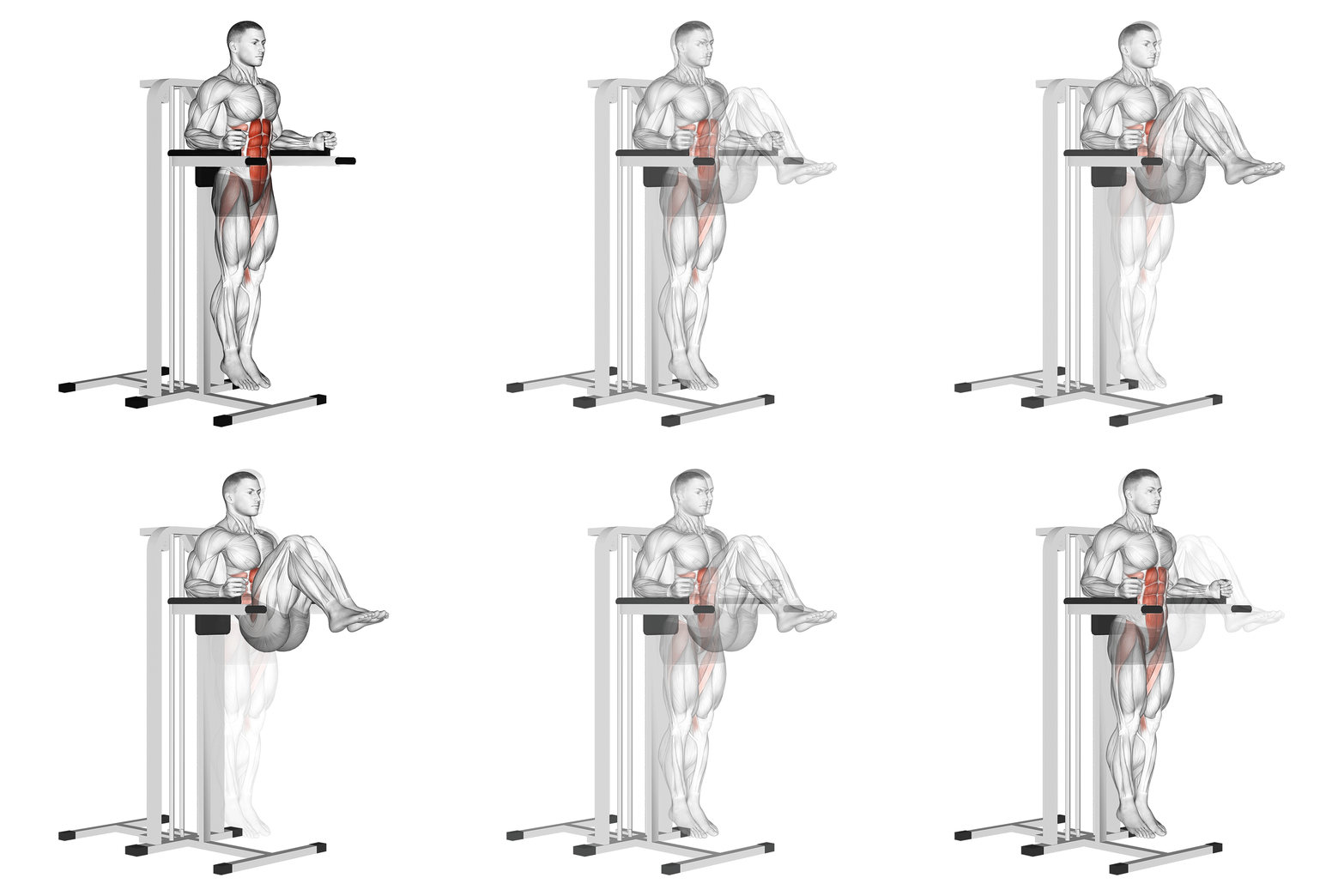
The Vertical Leg Raise (On Parallel Bars) is a bodyweight exercise for the core that primarily targets the abs, with the hip flexors assisting. Follow the 5 steps below for correct form, with an animated demonstration.
How to do the Vertical Leg Raise (On Parallel Bars)
- Hang from the parallel bars with your arms fully extended and your body straight.
- Engage your core and lift your legs up in front of you, keeping them straight.
- Continue lifting until your legs are parallel to the ground or slightly higher.
- Pause for a moment at the top, then slowly lower your legs back down to the starting position.
- Repeat for the desired number of repetitions.
Common questions
What muscles does the Vertical Leg Raise (On Parallel Bars) work?
The Vertical Leg Raise (On Parallel Bars) primarily targets the abs. The hip flexors work as supporting muscles.
What equipment do I need for the Vertical Leg Raise (On Parallel Bars)?
None. The Vertical Leg Raise (On Parallel Bars) uses your body weight only, so you can do it anywhere.
How many sets and reps of the Vertical Leg Raise (On Parallel Bars) should I do?
3 to 4 sets of 10 to 15 controlled reps of the Vertical Leg Raise (On Parallel Bars) suits most programs — smaller muscle groups respond well to moderate loads and strict form. Progress by adding reps first, then small weight increments.
Track it in Tetsu
Log your sets, see your core volume climb, and let AI plan your week. Scan the code or grab the app — free to start.